
Introduction
Hormonal symptoms rarely appear dramatically overnight.
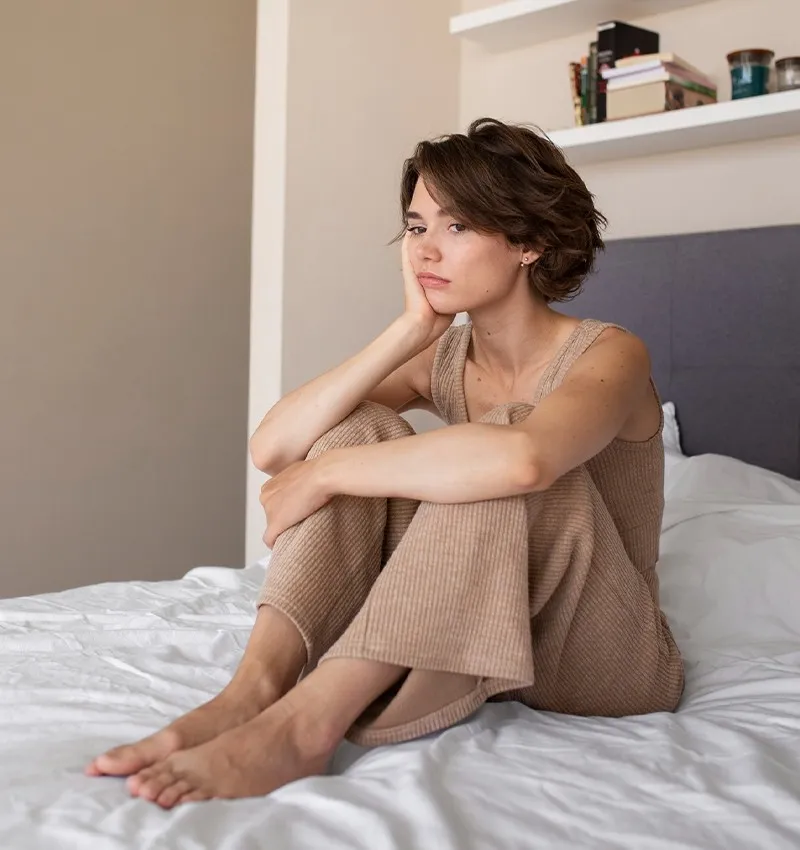
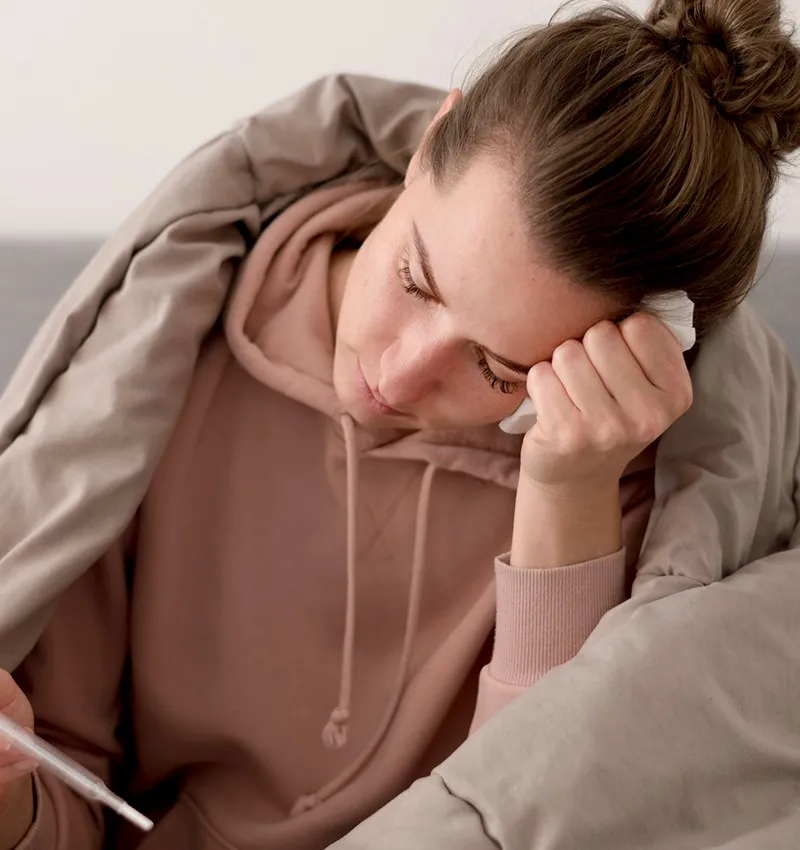
More often, they develop slowly over the years. Energy becomes less reliable, sleep feels lighter, stress becomes harder to manage, and emotional resilience gradually declines.
Because these changes happen gradually, many women adapt to feeling unwell without fully recognizing how much their baseline health has shifted.
Some begin structuring their lives around exhaustion. Others stop expecting to feel mentally clear, emotionally balanced, or physically energized.
Over time, untreated symptoms begin affecting far more than physical health alone.
Women often normalize feeling exhausted
One of the biggest problems with chronic hormonal symptoms is how easy they become to dismiss.
Women commonly tell themselves:
- “I’m just stressed.”
- “This is probably normal aging.”
- “Everyone feels tired.”
- “I just need better routines.”
While stress and lifestyle absolutely matter, persistent symptoms often signal that the body needs deeper support.
“Hormonal imbalance often becomes normalized long before it becomes diagnosed.”
The emotional impact is often underestimated
Chronic hormonal symptoms affect emotional wellbeing just as much as physical health.
Women may experience:
- Anxiety
- Irritability
- Emotional overwhelm
- Lower stress tolerance
- Brain fog
- Reduced confidence
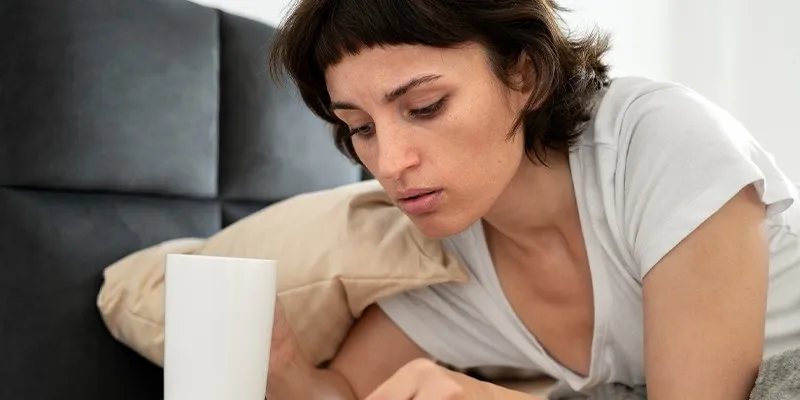
- Sleep-related exhaustion
Over time, constantly feeling unlike yourself becomes emotionally draining.
Many women begin doubting their own experiences after years of hearing that everything looks “normal.”
Relationships and productivity are affected, too
Hormonal symptoms do not stay isolated to personal health.
Fatigue, poor sleep, and emotional exhaustion often affect:
- Relationships
- Work performance
- Motivation
- Exercise consistency
- Social connection
- Self-confidence
Some women stop recognizing themselves entirely during prolonged hormonal imbalance.
Why are symptoms commonly overlooked
Many hormone-related symptoms overlap heavily with stress, burnout, parenting, aging, and busy schedules.
This makes it easy for women to delay seeking support until symptoms become severe enough to interrupt daily functioning significantly.
In many cases, women spend years managing symptoms individually instead of recognizing larger hormonal patterns.
Supporting long-term wellbeing earlier
Early support often matters more than waiting for symptoms to worsen.
Helpful habits may include:
- Better sleep consistency
- Nervous system recovery
- Balanced nutrition
- Reduced chronic stress exposure
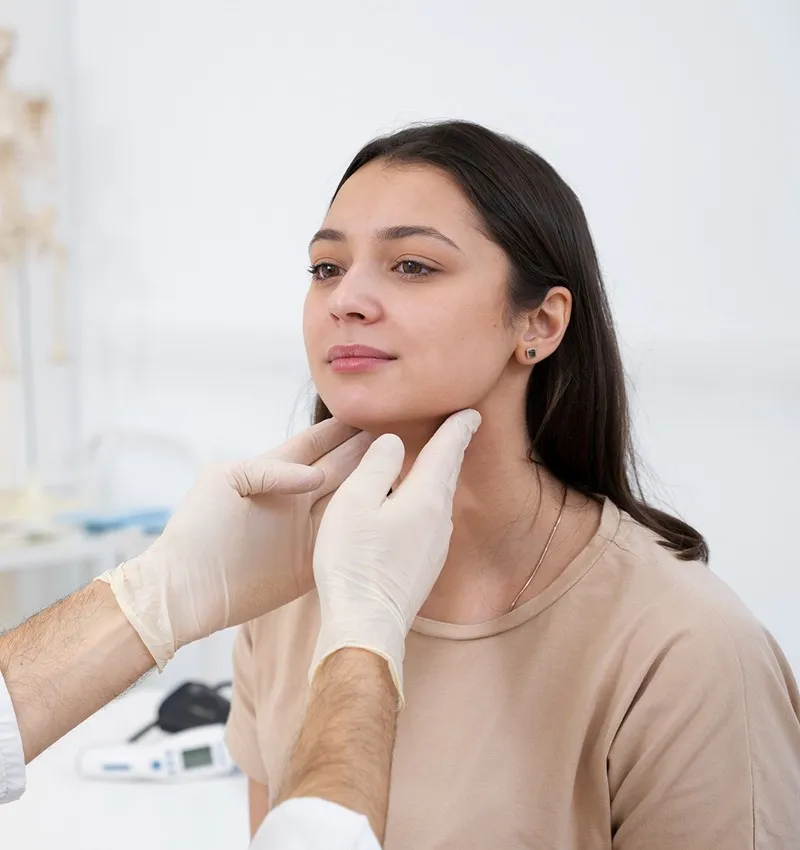
- More complete hormone evaluation
- Strength training with recovery
Small changes become increasingly powerful over time.
Conclusion
Ignoring chronic hormonal symptoms often carries emotional, physical, and long-term health consequences that many women underestimate.
The earlier women understand how hormones influence overall wellbeing, the easier it becomes to seek support before symptoms become deeply disruptive.